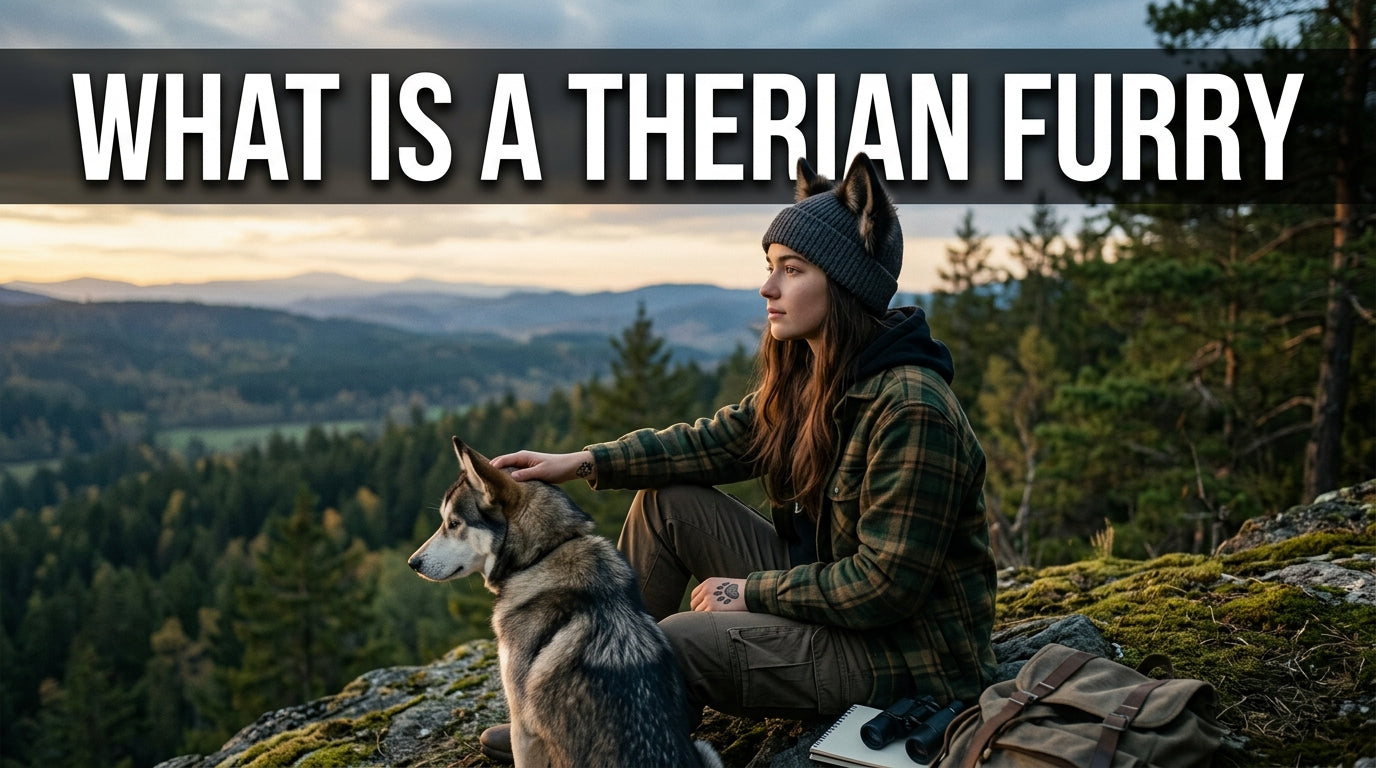
What is a Therian Furry
The terms “therian” and “furry” often get used interchangeably online, but they describe two distinct identities that sometimes overlap. If you’ve seen the words together and wondered what they actually mean, you’re not alone. Here’s a clear, honest breakdown of what a therian furry is, and how these communities relate to each other.
🐺 What Does “Therian” Mean?
A therian (short for therianthrope) is a person who identifies, on a psychological or spiritual level, as a non-human animal. This isn’t a hobby or a costume choice. Therians genuinely experience what’s called a species identity that doesn’t match their human biology. The animal they identify as is called their “theriotype.”
Common theriotypes include wolves, foxes, big cats, dogs, and birds of prey, though any real-world animal species can be a theriotype. The experience varies from person to person, but it’s consistently described as an internal, deeply felt sense of self rather than something chosen for fun or aesthetic reasons.
The Origins of Therianthropy
The concept of humans identifying spiritually or psychologically with animals is ancient, found in shamanic traditions, indigenous cultures, and mythology across the world. The modern therian community, however, largely formed through early internet forums in the late 1990s, where people began discussing these experiences openly for the first time.
The word “therianthrope” itself comes from the Greek words therion (wild animal) and anthropos (human). It was adopted by the online community to describe this specific identity experience in a clear, consistent way.
What is a Theriotype?
A theriotype is the specific animal species a therian identifies as. Unlike a “fursona” in the furry community (which is a creative character), a theriotype is not chosen or designed. Most therians describe discovering their theriotype through reflection, meditation, or simply recognizing feelings they’ve had since childhood. Some therians have more than one theriotype, a situation referred to as being polytherian.
🎨 What Does “Furry” Mean?
The furry fandom is a fan community centered around anthropomorphic animals, meaning animals with human characteristics like walking upright, speaking, and having complex emotions. Furries enjoy art, literature, costumes, and social events built around these characters. It is primarily a creative and social hobby.
A furry’s personal animal character is called a fursona. Unlike a theriotype, a fursona is fully creative. A person can design their fursona to be any species, color, or combination they like. It’s an expressive identity within a fandom, not a statement about one’s psychological species identity.
Is the Furry Fandom a Subculture?
Yes. The furry fandom is one of the more well-documented fan subcultures in the world, with large conventions, a significant online presence, and a rich tradition of community-created art and storytelling. The furry fandom has been studied by researchers and is generally understood as a creative and social community with diverse members from all backgrounds.
🔍 What is a Therian Furry? Understanding the Overlap
A therian furry is someone who identifies as both a therian and a member of the furry fandom. This overlap is more common than many people realize, because both communities involve deep personal connections to animal identities. However, the motivations and experiences behind each identity remain distinct.
A therian furry might participate in furry events, create a fursona, and enjoy furry art, while also holding a genuine psychological or spiritual identification with a specific animal species. In many cases, their fursona and theriotype are the same species, though not always.
How the Two Identities Coexist
For someone who is both a therian and a furry, the two identities serve different purposes. The therian identity is internal and personal, describing how they experience themselves at a core level. The furry identity is external and social, describing how they engage with a creative community and express themselves through art and character design.
Think of it this way: a therian furry might feel like a wolf on a deep psychological level (therian identity) and also have a designed wolf fursona they use in online spaces and at conventions (furry identity). The two can reinforce each other without being the same thing.
⚠️ Why People Confuse Therians and Furries
The confusion between therians and furries is understandable. Both communities use animal imagery, both often involve online communities, and there is genuine crossover in membership. However, the key difference is intent and experience. Furries engage with anthropomorphic animals as a creative and social interest. Therians experience a non-human identity as part of their core sense of self.
- Furries choose a fursona as a creative expression
- Therians discover a theriotype through introspection
- Furries participate in a fan community
- Therians describe a psychological or spiritual identity
- Furries may or may not feel personally connected to their fursona’s species
- Therians consistently describe their theriotype as part of their identity, not a character
🧠 The Psychology Behind Therianthropy
Researchers and psychologists who have studied therianthropy generally treat it as a genuine identity experience rather than a delusion or a phase. The therian community itself emphasizes that therianthropy is not about believing one is literally, physically a non-human animal. It’s about a felt sense of psychological or spiritual kinship with a specific species.
Some therians describe mental shifts, temporary states where they feel more mentally or emotionally aligned with their theriotype. Others describe phantom shifts, where they experience phantom sensations of body parts their human body doesn’t have, like a tail, wings, or ears. These experiences are reported consistently across the community and are considered a significant part of what makes therianthropy distinct from simply liking animals.
Therian Shifts Explained
The concept of “shifting” is central to many therians’ experiences. A shift doesn’t involve physical transformation. Instead, it describes a change in perception, emotion, or sensation that aligns with one’s theriotype. Common types include:
- Mental shifts: Thinking or feeling in ways that feel more animal-like
- Phantom shifts: Sensing non-human body parts that aren’t physically present
- Dream shifts: Experiencing life as one’s theriotype during dreams
- Sensory shifts: Heightened awareness of senses associated with the theriotype
Not every therian experiences all types of shifts, and the intensity varies widely. These experiences are self-reported and are part of how therians understand and articulate their identity to others.
If you’re curious about community events and how therians come together to celebrate their identity, you might want to check out when Therian Day is celebrated and how the community marks the occasion.
🐾 Therian Expression and Community
Therians express their identity in a variety of ways. Some wear therian gear like tails, ears, and paws, not as costumes but as physical representations of their theriotype. These items can provide comfort, help with grounding during shifts, or simply serve as a visible expression of identity.
The therian community is active online, with forums, social media groups, and video content where members share experiences, artwork, and support. Many therians describe the community as an important source of validation and understanding, particularly for those who felt isolated before discovering others with similar experiences.
Therian Gear and Accessories
Physical expression is a meaningful part of therian identity for many people. Common therian accessories include:
- Fluffy tails attached to belts or worn at the waist
- Animal ear headbands or clips
- Paw gloves or mittens
- Claw accessories
- Collar or neck accessories
These items differ from fursuit components in that they’re typically worn in everyday settings and chosen for personal comfort or identity expression rather than performance or convention use. That said, some therian furries use both types of items depending on context.
| Aspect | 🐺 Therian | 🎨 Furry | 🔄 Therian Furry |
|---|---|---|---|
| Core identity | Psychological/spiritual | Creative/social | Both |
| Animal connection | Theriotype (discovered) | Fursona (designed) | Both can exist |
| Community focus | Identity discussion | Art, events, fandom | Both spaces |
| Expression style | Tails, ears, paws | Fursuits, art | Flexible combination |
| Species choice | Real animals only | Any, including fictional | Varies by person |
✅ How to Know if You’re a Therian, a Furry, or Both
There’s no test or checklist that definitively identifies someone as a therian or a furry. Both identities are self-identified. However, some honest questions can help clarify where someone’s experience fits.
If your connection to a specific animal species feels like a core part of who you are, something you didn’t choose and can’t simply set aside, therianthropy may describe your experience. If your interest in anthropomorphic animals is primarily creative and social, the furry fandom is likely the better fit. And if both descriptions feel true, you may well be a therian furry.
For a deeper look at the therian identity specifically, what a therian is covers the identity in more detail, including how therians describe their experiences and how the community defines itself.
Neither identity is more valid than the other, and there’s no requirement to choose one label exclusively. Many people in both communities emphasize that self-understanding takes time, and labels should serve the person, not the other way around.
Conclusion
A therian furry is someone whose identity bridges two distinct communities: the therian community, where people experience a genuine psychological or spiritual connection to a non-human animal species, and the furry fandom, a creative subculture built around anthropomorphic animal characters. While the two communities overlap in membership and share some surface similarities, they are grounded in different experiences. Understanding the difference helps clarify both identities and respects the people who hold them.